
What is a Building Management System (BMS)?
BMS, short for Building Management System, is an intelligent system designed to control and monitor a building’s key infrastructure, including heating, ventilation, air conditioning (HVAC), lighting, safety, security, communications, and more. It consists of a set of hardware and software that provides building managers and occupants with centralized control.
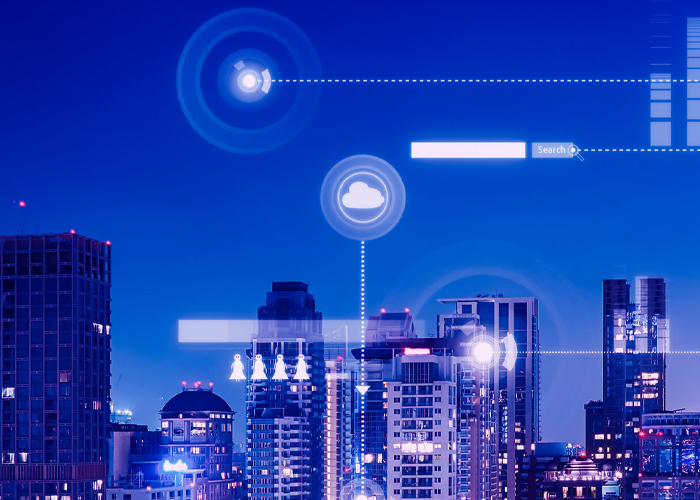
With BMS, users can interact with building systems more intelligently and efficiently — even remotely via internet-connected devices. This smart system enables real-time monitoring and control from anywhere, at any time.
BMS helps reduce energy consumption, improve indoor air quality, and enhance overall building performance. It also empowers building managers to detect issues early and respond quickly, ensuring operational continuity and comfort.
What is a Smart Home System?
A Smart Home System is a comprehensive residential automation solution that uses Internet of Things (IoT) technology and custom applications to allow homeowners to control various devices and systems in the house — such as lighting, HVAC, security, and appliances — from one centralized interface.
Smart home systems rely on sensors to detect environmental conditions like temperature, humidity, light, motion, and sound. Based on the collected data, the system can automatically trigger actions such as turning lights on or off, adjusting the thermostat, or activating security features.
Homeowners can also manage their smart home remotely using smartphones or tablets, allowing them to, for example, turn on heating before arriving home or monitor appliances while away.
This automation enhances convenience, increases energy efficiency, and contributes to a more sustainable lifestyle
What is an Energy Management System (EMS)?
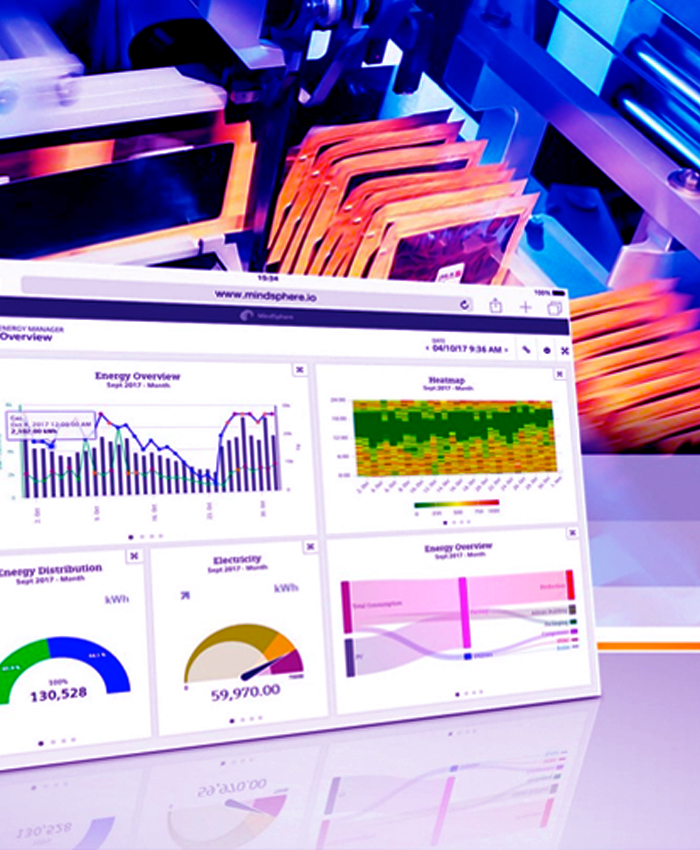
An Energy Management System (EMS) is a structured approach used by organizations and industries to optimize energy usage and improve energy efficiency. EMS integrates management strategies, advanced technologies, and process controls to minimize energy waste and environmental impact.
Benefits of EMS include increased energy efficiency, cost savings, environmental protection, and improved competitiveness in the market. It provides a clear framework for monitoring, planning, implementing, and evaluating energy-related initiatives.
The system generally follows four core steps:
Planning – Developing a comprehensive energy management strategy.
Implementation – Deploying energy-saving measures and tools.
Execution – Running and managing the implemented plans.
Evaluation – Analyzing performance and making improvements.
In summary, EMS is a systematic and holistic method to manage energy in buildings and industrial settings, aiming for sustainability, cost-effectiveness, and long-term performance improvement.